“Back to basics. Nutty, smooth, bitter like cocoa: the taste most of the world knows as coffee.”
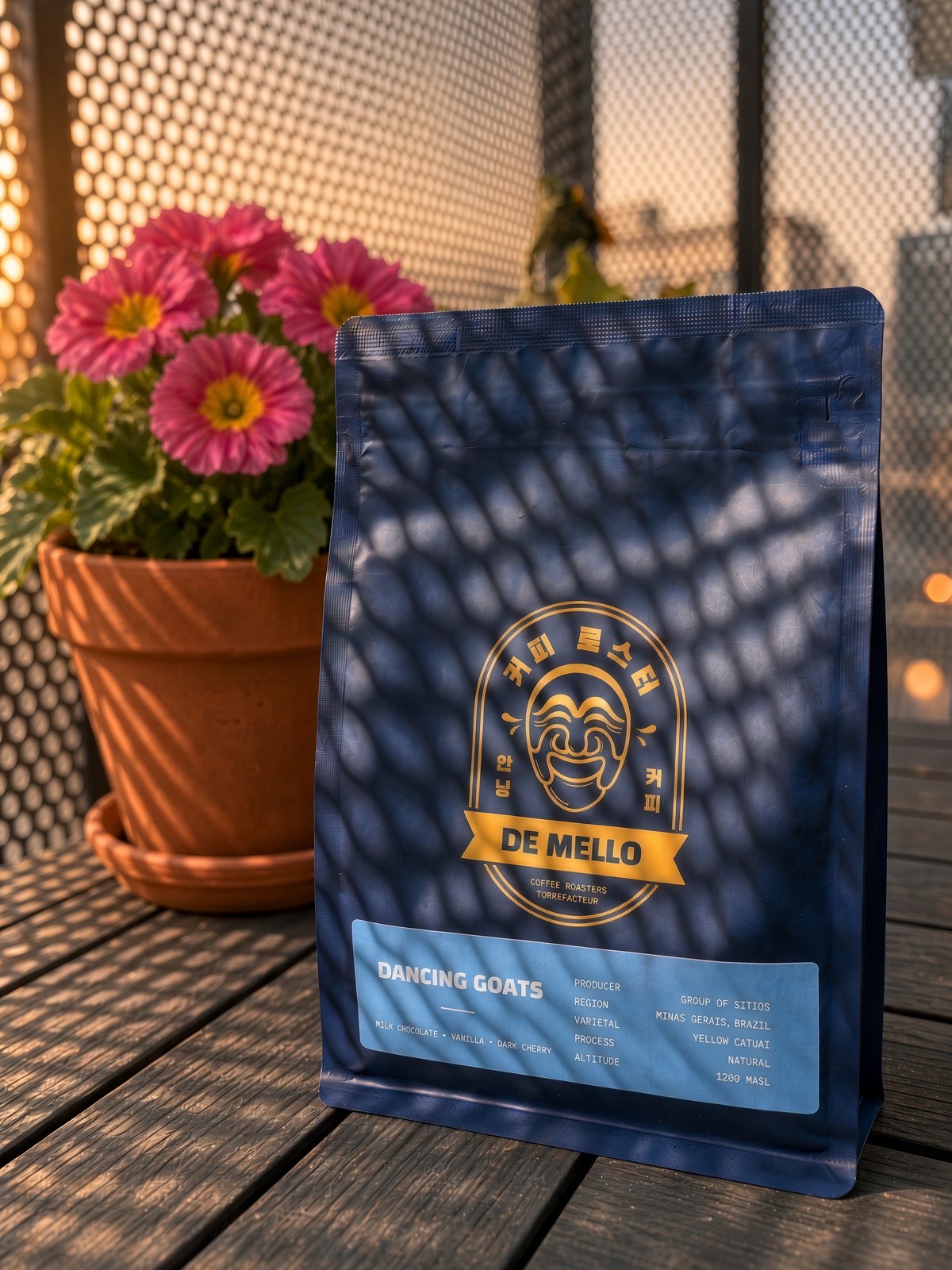
Dancing Goats
Minas Gerais, Brazil · Natural · De Mello Coffee →
00read this with your agent
Ask your agent about this bag.
Copy one of these and paste it into whatever AI you use. It answers from this page and nothing else. An agent in a browser that supports WebMCP can read the page through its tools.
1Set up your AI optional, two minutes, once
2Then copy a prompt
The cup most people grew up on, done properly.
Classic and smooth, and bitter for sure.
Why this one
Back to basics. I have had Brazilian coffee before, so this was not about trying something new. After four fruity, funky bags, I wanted the classic cup most people are used to.
What I expected, before the first sip
Brazil sells more coffee to the world than any other country. So I expected a bread-and-butter coffee: the cup most people are used to drinking. Earthy, and amazing in a drink with milk.
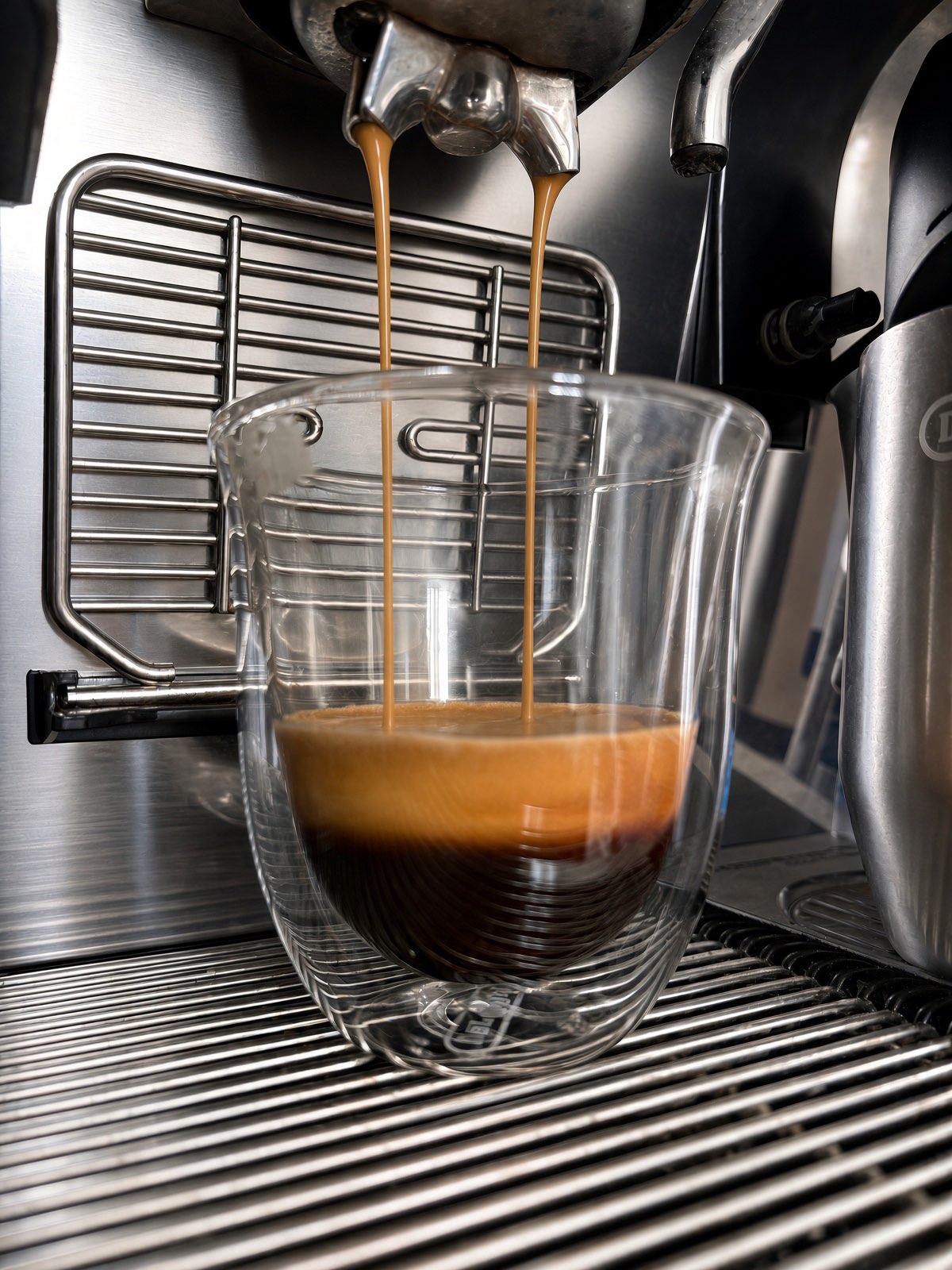
The straight shot matched. The milk I have not tried yet.
The bag
Cocoa and nuts the moment the bag was cut, ten days off roast.
The sip
Classic and smooth. Nutty, with cocoa, almost no acidity, and a round, full body. No surprises, in a good way.
And it is bitter, for sure. Bitter the way cocoa is, not the way a burnt roast is. The dark cherry on the bag I did not find.
The name
De Mello named it after the oldest story about coffee. A goatherd called Kaldi saw his goats dancing after they ate red berries from a shrub, and the berries were coffee. Nobody knows if it happened. The story was first written down in 1671, long after the time it describes. De Mello gave the name to the coffee they have sold longest.
How it was made
A natural →: nothing is taken off, and the whole cherry dries with the seed still inside it. In Brazil that is the usual way: nearly all of its coffee is made like this.
The place
Brazil grows about a third of the world’s coffee, and the state of Minas Gerais grows about half of Brazil’s. Machado is a town in its south, the Sul de Minas: hilly country, farmed in small and mid-sized holdings. This lot comes from a group of sítios, small family farms, at about 1,200 m.
The verdict
9.0/10
“Not fair to rank it against the fruity ones: I bought it to be bitter and nutty, and it is, done well. Rounded, and a cup for every morning.”
Character
- Acidity
- 1
- Sweetness
- 3
- Body
- 7
- Bitterness
- 7
- Fruity/
Floral - 0
- Nutty/
Cocoa - 8
- Roasted/
Earthy - 5
- Fermented
- 0
Intensity, not quality. A low number is a different coffee, not a worse one. Rated on the first cup, ten days off roast, before I tried it with milk.
Hover or tap an axis.
Quick facts
- Origin
- Machado, Minas Gerais, Brazil
- Producer
- A group of sítios (small family farms)
- Altitude
- 1,200 m
- Process
- Natural
- Variety
- Yellow Catuai
- Roast
- Medium, three of five on De Mello’s scale
- Roaster’s notes
- Milk chocolate, vanilla, dark cherry
- Roast date
- 1 Oct 2026
The south of Minas, and one variety from many farms
Minas Gerais is Brazil’s biggest coffee state, and the Sul de Minas, its south, is the hilly part: rolling ground, farmed in small and mid-sized holdings. Machado sits in it, and the farms this lot comes from grow at about 1,200 m.
De Mello call Dancing Goats a blend, but not the usual kind. It is one variety, Yellow Catuai, from one region, made one way, natural. What is blended is the farms: a group of sítios, not one estate. Catuai was bred in Brazil, at the Instituto Agronômico in Campinas, from a cross of Mundo Novo and Caturra; the yellow is the colour of its ripe cherry.