“Brilliant for the first two minutes. Then it cooled, and the acidity turned sour on me.”
Kii
Kirinyaga, Kenya · Washed · Pilot Coffee Roasters →
00read this with your agent
Ask your agent about this bag.
Copy one of these and paste it into whatever AI you use. It answers from this page and nothing else. An agent in a browser that supports WebMCP can read the page through its tools.
1Set up your AI optional, two minutes, once
2Then copy a prompt
It tickles the tongue before it does anything else.
A citrus hit, then it settles. Not a sweet coffee, and it does not pretend to be.
The bag
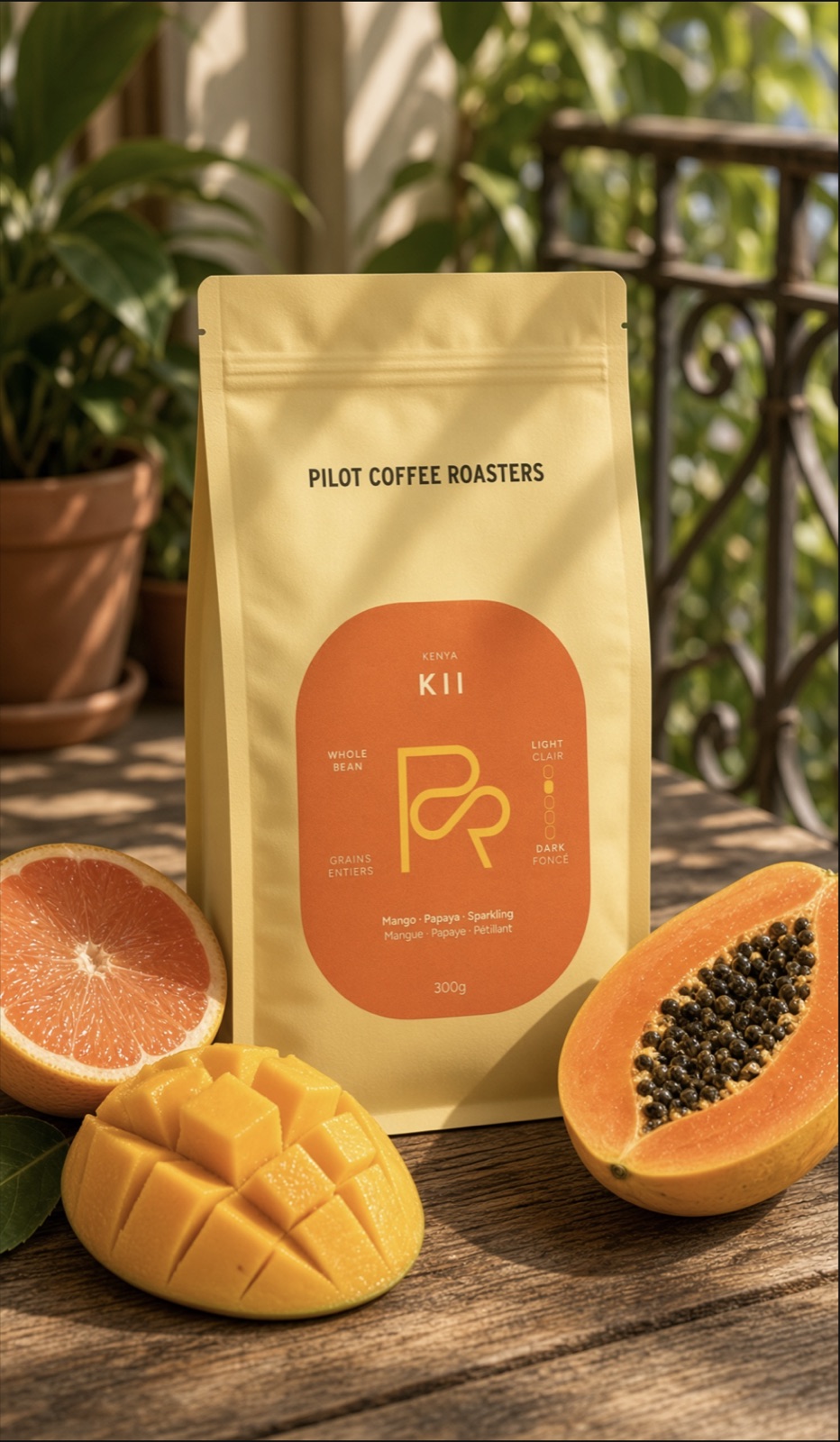
The bag says mango, papaya, sparkling. The nose is sharper than that: bright, a little green, more like the peel of something than the flesh. Nothing sweet about it yet.
The sip
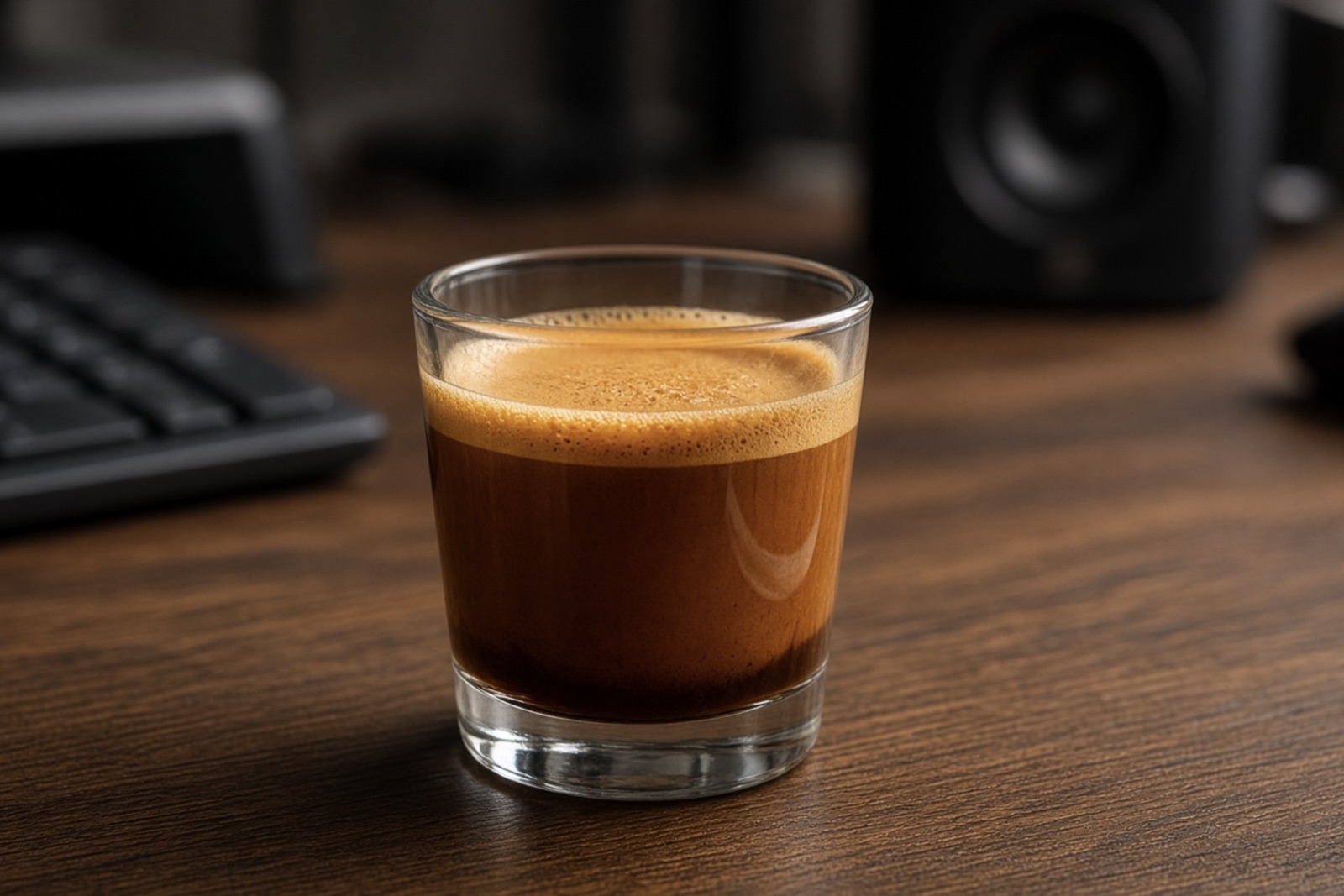
Double espresso, same as every morning. The first thing it does is fizz at the tongue, the way grapefruit does. Then the acidity backs off and the cup balances out into a clean, juicy finish. Mango is in there if you go looking; the citrus does not make you look.
The twist
It has a clock in it. Hot, it is excellent. Two minutes later the same acidity that woke the tongue turns sour and stays there. I learned to drink it straight away and not to carry it to the desk.
Why it stuck
Not for the taste, honestly, but for the lesson. Some coffees wait for you. This one does not, and knowing which kind you have in the cup is worth a bag.
How it was made
Washed process → the pulp comes off before drying, the beans ferment in water, and what is left is the bean on its own. That is where the cleanness comes from, and the sharpness: nothing sweet from the fruit stayed behind to soften it.
The place
Kirinyaga sits on the southern slopes of Mt. Kenya, volcanic soil at 1,600 to 1,900 m. The Kii factory is named for the river beside it and belongs to the Rungeto Farmers’ Cooperative. SL-28 and SL-34 are the two Kenyan varieties that made this style famous: the acidity is the point of them, not an accident.
The verdict
7.0/10
“Drink it hot. It does not wait for you.”
Character
- Acidity
- 8
- Sweetness
- 4
- Body
- 5
- Bitterness
- 2
- Fruity/
Floral - 6
- Nutty/
Cocoa - 1
- Roasted/
Earthy - 1
- Fermented
- 0
Intensity, not quality. A low number is a different coffee, not a worse one.
Hover or tap an axis.
Quick facts
- Origin
- Kirinyaga County, central Kenya
- Farm
- Kii Coffee Factory
Rungeto Farmers’ Cooperative - Altitude
- 1,600–1,900 m
- Process
- Washed
- Variety
- SL-28, SL-34
- Roast
- Light-medium
- Roast date
- 11 Sep 2026
- Roaster’s notes
- Mango, papaya, sparkling
Kirinyaga, at the foot of Mt. Kenya
Kirinyaga County sits on the southern slopes of Mt. Kenya, where high altitude and rich volcanic soil slow the cherry’s ripening and deepen its flavour. That is the recipe behind the hallmark of Kenyan specialty coffee: bright citrus, juicy fruit and a sparkling acidity. The Kii Coffee Factory was founded in 1995 and takes its name from the river running beside it; its farmers deliver cherry through the Rungeto Farmers’ Cooperative, and the lot is fully washed, which is the process that leaves this much of the acidity on show. Pilot roasts it to a light-medium profile and says the tropical acidity dances on the tongue, especially as a pour-over. As an espresso it dances for about two minutes.