“Sweet first, then a warmth like alcohol, then cinnamon on the way out. Flavours do not dance like that by accident.”
La Pacaya Cinnamon
Tarrazú, Costa Rica · Cinnamon anaerobic · De Mello Coffee →
00read this with your agent
Ask your agent about this bag.
Copy one of these and paste it into whatever AI you use. It answers from this page and nothing else. An agent in a browser that supports WebMCP can read the page through its tools.
1Set up your AI optional, two minutes, once
2Then copy a prompt
A cinnamon coffee where the cinnamon is the quiet part.
My first anaerobic coffee. Sweet, a little boozy, and too complex to name in one word.
Why this one
The cinnamon in this one was not put there to flavour it. Franciny Vargas, who grows it at La Pacaya, added it to the tank to turn up a spice the bean already has: Red Catuai grown in Tarrazú carries cinnamon of its own, and the ferment amplifies it rather than painting it on.
That was the reason I bought it. Not whether it would be good, but whether the spice in the cup reads as the coffee’s own, or as a thing sitting on top of it.
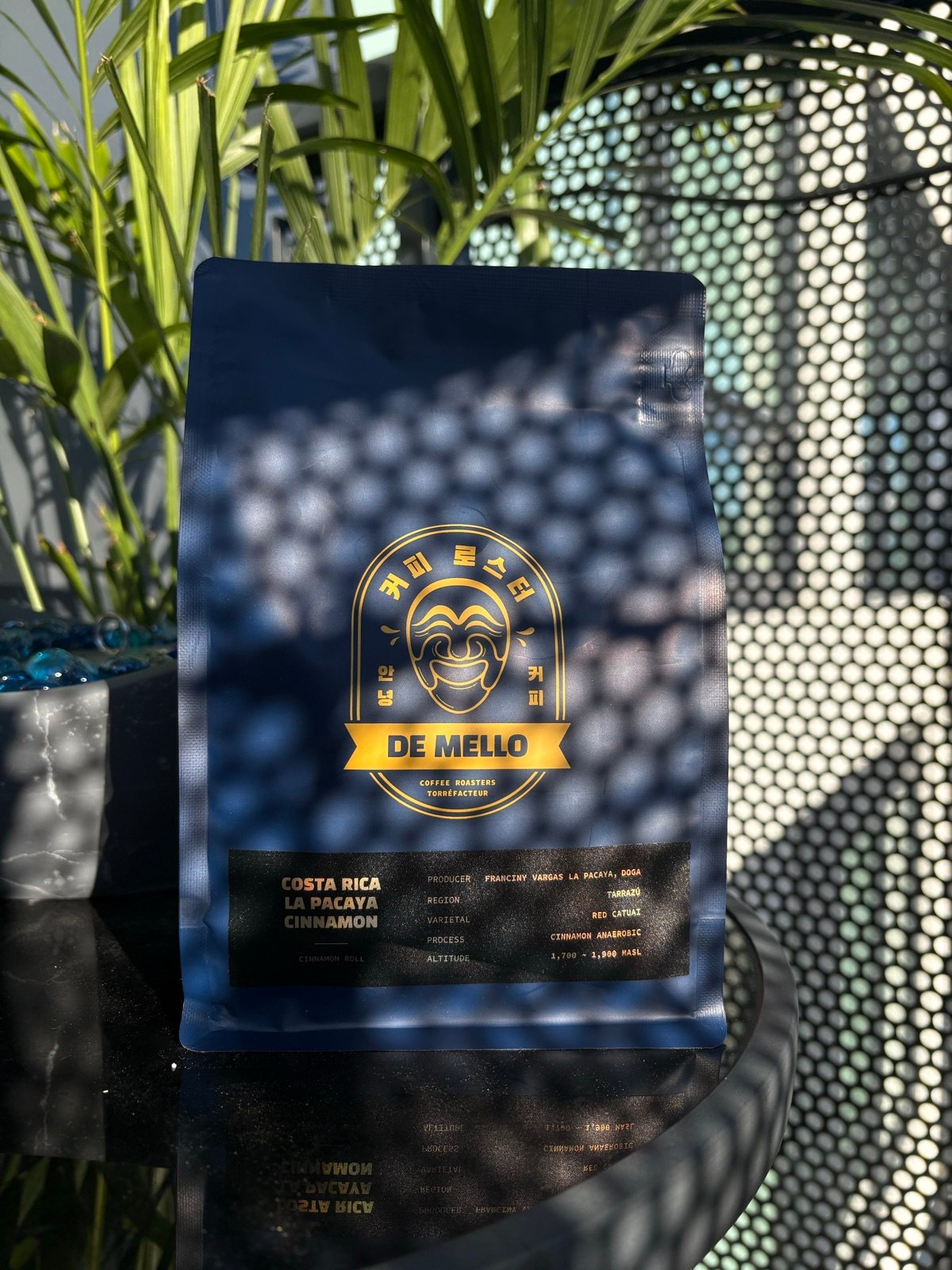
The bag
Boozy the moment the bag was cut, fermenty, and sweet under that. It hits you straight away, and I find it hard to put a single name to it. It is too complex for one word.
The sip
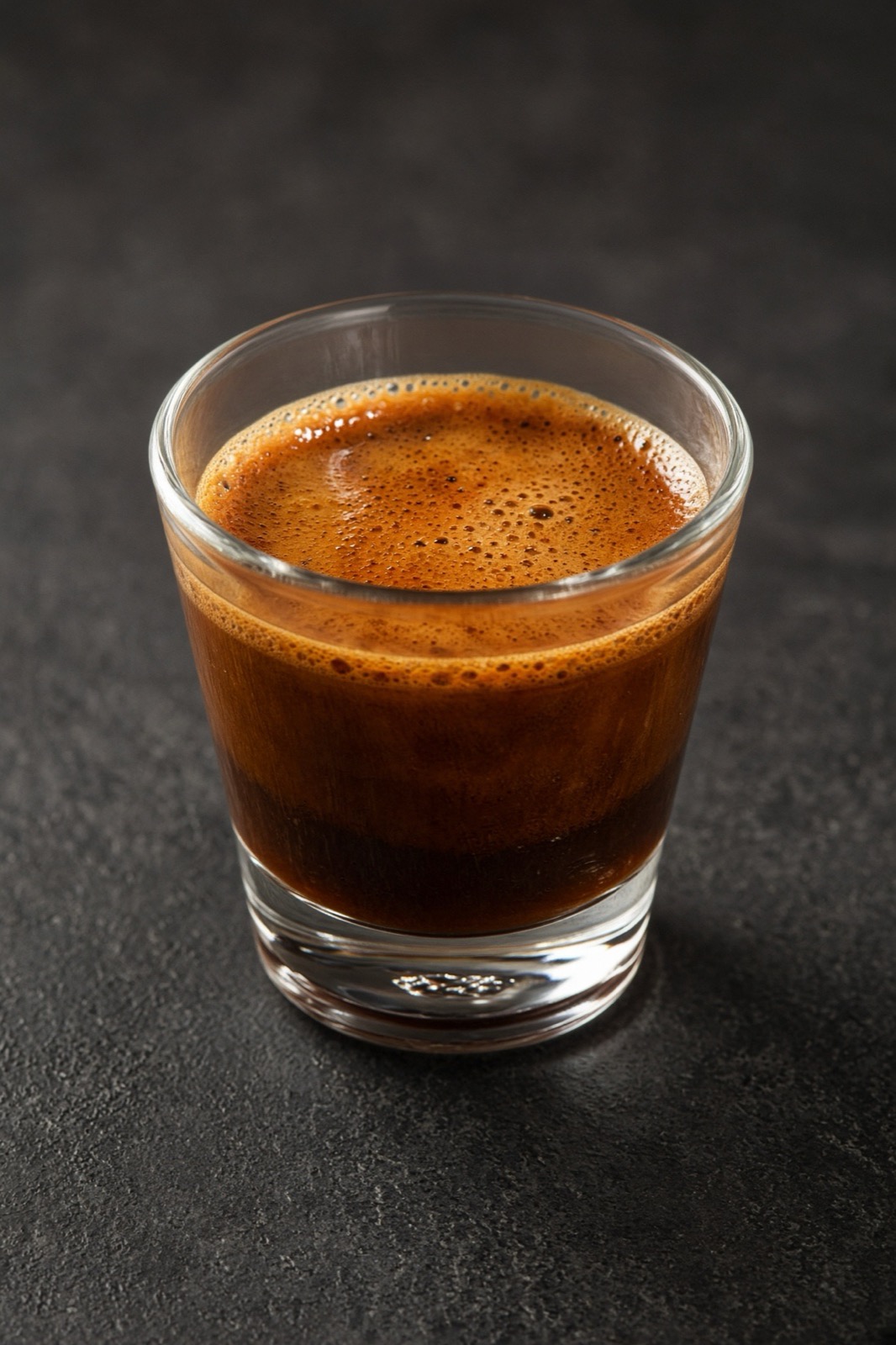
You can taste the tank. Sweet up front, then a slightly boozy warmth, then a hint of cinnamon at the back.
That warmth is what a sealed ferment leaves behind: yeasts turning sugar into alcohol, lactic acid bacteria turning it sour and round, and the cherry left whole for its first eighteen hours so they had the fruit to work on. It does not taste like one note because it was not made by one.
The question, answered
A coffee fermented with something added has one honest way to fail: the additive is the only thing you taste, and the bean underneath could have been anything.
This one does not fail it. The cinnamon is a hint at the back of the sip, not the headline. The sweetness and the ferment carry the cup, and the spice reads as part of the coffee, not as something sitting on top of it.
The craft
It is not easy to make flavours dance like this: sweet, then warm, then spice, with none of them flattening the others. That takes serious craft and skill, and the craft is Franciny Vargas’s. It is the thing I most want this page to say.
How it was made
An anaerobic ferment → seals the coffee away from oxygen, so a different set of microbes does the work and the acids they leave behind are different ones. Franciny Vargas ran two. First the whole cherry rested for eighteen hours with nothing added. Then it went under for seventy-two, in a tank dosed with yeast to drive the ferment, sugar to feed it, and cinnamon. Two days still on raised beds, then a slow sun dry of twenty-two days.
The place
Tarrazú is the name every Costa Rican coffee wants on it: a high valley south of San José where the dry season is genuinely dry, which is what lets a producer risk a long sun dry. La Pacaya grows at 1,700 to 1,900 m in it. Red Catuai is a compact, high-yield variety that holds up on steep ground, and the roaster says the cinnamon and mint are already in it before the tank.
The verdict
8.0/10
“It takes serious craft to make flavours dance like this, and I respect it. I like a sweet coffee, and this is one. Not quite enough for me to buy it again.”
Character
- Acidity
- 5
- Sweetness
- 7
- Body
- 6
- Bitterness
- 5
- Fruity/
Floral - 2
- Nutty/
Cocoa - 1
- Roasted/
Earthy - 2
- Fermented
- 8
Intensity, not quality. A low number is a different coffee, not a worse one. The boozy warmth is scored as Fermented, not bitterness. Rated after the first double, nine days off roast.
Hover or tap an axis.
The fermentThe roaster’s account, step by step. Drawn in order and equal, not to scale.
Cherry rest18 hours
The whole cherry rests in its own skin, with nothing added.
The tank72 hours
Submerged and sealed off from oxygen, with yeast, sugar and cinnamon in with it.
Raised beds, still2 days
Left undisturbed: not turned, not moved, before the long dry starts.
The long dry22 days
A slow sun dry, by far the longest step.
Quick facts
- Origin
- Tarrazú, Costa Rica
- Farm
- La Pacaya
- Producer
- Franciny Vargas
- Altitude
- 1,700–1,900 m
- Process
- Cinnamon anaerobic
- Variety
- Red Catuai
- Roast
- Light
- Roast date
- 17 Sep 2026
- Roaster’s notes
- Cinnamon roll, sweet, spiced, softly doughy
The recipe
De Mello’s espresso recipe, pulled as written: 19.3 g in, 40.5 g out, 23 to 25 seconds, as a double. They ask for 10 to 12 days of rest off roast; this was 9. Their filter recipe is on the product page →.
Tarrazú, and a tank with cinnamon in it
Tarrazú is a high valley in the Los Santos region south of San José, and it is the appellation Costa Rican coffee is known by: steep ground, volcanic soil, and a dry season sharp enough that a producer can leave seed on a raised bed for weeks without losing it. At La Pacaya, 1,700 to 1,900 m up that valley, Franciny Vargas grows Red Catuai, a variety bred compact enough to farm on a slope that steep.
What makes this lot unusual is Franciny’s tank. The cherry rests with nothing added, then goes under with yeast, sugar and cinnamon. The seed comes out, sits undisturbed on raised beds, and then dries slowly in the sun. The claim, as De Mello, who roast it, tell it, is that the cinnamon is not a costume: that Red Catuai grown in Tarrazú already carries cinnamon and mint, and the ferment turns that up rather than painting it on.
In the cup the cinnamon holds up to that: a hint at the back of the sip, and part of the coffee.